
How Do Refractory Ceramic Fiber Insulation Solutions Reduce Energy Costs in the Metallurgy Industry?
- 31 Dec, 2025
- Industry
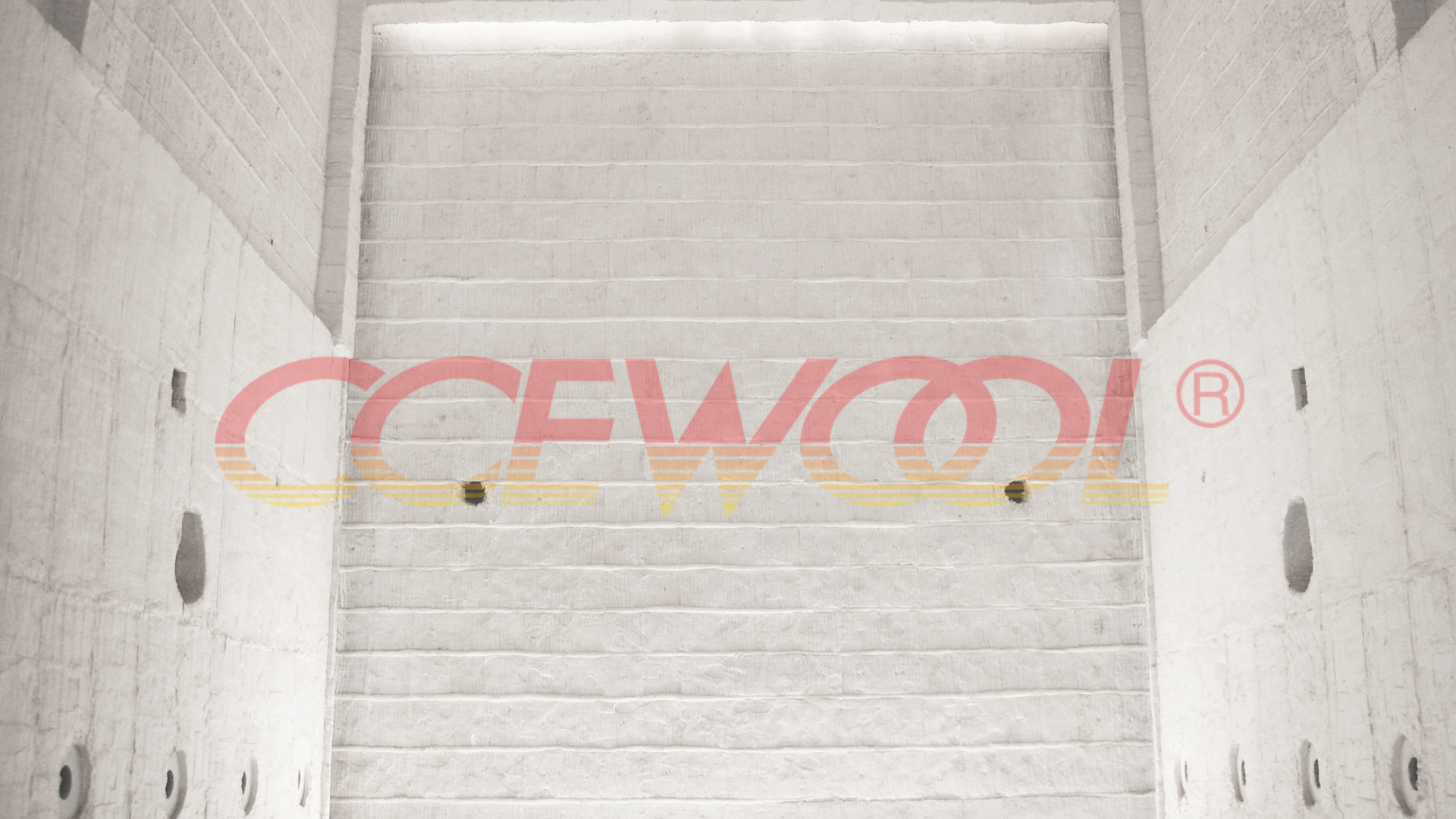
The metallurgy industry is atypical high-temperature, continuous-operation, and energy-intensive sector, covering steelmaking, non-ferrous metal smelting, and related thermal processing operations. In daily production, a large number of furnaces and thermal equipment operate continuously at temperatures ranging from 800–1400°C or even higher. Heat loss from furnace structures is significant, operating cycles are long, and energy costs account for a substantial share of total manufacturing expenses.
As energy prices continue to rise and requirements for energy efficiency and emission reduction become more stringent, metallurgical enterprises are increasingly focused on how to reduce energy consumption, extend furnace service life, and lower maintenance costs without compromising process stability. Among all influencing factors, the design of furnace insulation systems and the selection of high-temperature insulation materials play a decisive role in overall energy efficiency.
In response to the long-term high-temperature operation, heavy thermal loads, and complex furnace structures typical of the metallurgy industry, CCEWOOL® provides system-level high-temperature insulation solutions centered on advanced refractory fiber materials. By optimizing furnace lining structures and applying appropriate insulation products, heat loss from furnace bodies can be significantly reduced.
Typical Furnace Types in the Metallurgy Industry
Walking Beam Furnaces
Widely used for billet reheating in modern steel plants. Large furnace spans and continuous operation place high demands on wall, roof, and door insulation systems.
Pusher-Type Continuous Reheating Furnaces
With relatively simple structures, frequent billet–hearth contact leads to substantial heat loss at the furnace bottom, sidewalls, and discharge ends, making them a key focus for energy retrofitting.
Ring Furnaces
Common in small and medium-sized steel mills and forging applications, featuring long flame paths and high requirements for roof and wall insulation stability.
Roller Hearth Furnaces
Used in continuous casting and rolling lines, where heat loss is concentrated around roller penetrations, making insulation and sealing design especially critical.
Soaking Furnaces
Applied for temperature homogenization of steel ingots and large castings. Their large volume and long operating cycles demand sufficient insulation thickness and controlled heat storage.
Roller Hearth Soaking Furnaces for Continuous Casting and Rolling
Characterized by complex temperature zones and high insulation requirements for furnace bottoms and sidewalls.
Bell-Type Furnaces
Widely used for strip and wire annealing, with frequent heating and cooling cycles that require fast thermal response and excellent insulation performance of the furnace cover.
Car Bottom Furnaces
Used for heat treatment of large workpieces. Furnace doors and car joints are major heat-loss areas and ideal applications for ceramic fiber insulation products.
Coke Ovens
Typical long-term, continuous high-temperature furnaces where walls and roofs are subjected to thermal stress and chemical attack, requiring highly stable insulation systems.
Hot Blast Stoves
Supporting equipment for blast furnaces, operating at high temperatures with frequent thermal cycling—representative of combined refractory and insulation system applications.
Aluminum and Copper Melting Furnaces
Used in non-ferrous metallurgy, with significant heat loss at doors, roofs, and flue areas, creating strong demand for lightweight, high-efficiency insulation materials.
Continuous Galvanizing and Annealing Furnaces for Strip Steel
Among the most energy-intensive and performance-sensitive furnaces in metallurgy, where furnace lining insulation design directly affects overall line efficiency.
Typical Applications of CCEWOOL® & CCEFIRE® Insulation Products in Metallurgical Furnaces
To address different furnace types and temperature zones, CCEWOOL® offers a complete range of high-temperature insulation products, forming an integrated refractory insulation system for the metallurgy industry:
CCEWOOL® Ceramic Fiber Blanket
Applied to furnace walls, roofs, and door back linings to reduce heat conduction losses and overall furnace heat storage.
CCEWOOL® Ceramic Fiber Board
Used in backing layers and structural insulation zones, providing stable insulation performance and dimensional stability.
CCEWOOL® Ceramic Fiber Modules
Widely applied in high-temperature furnace walls and roofs, offering fast installation, excellent thermal expansion compensation, and reduced heat leakage at joints.
CCEWOOL® Ceramic Fiber Bulk
Used for filling expansion joints and complex cavities, enhancing overall sealing and preventing localized heat loss.
CCEWOOL® Ceramic Fiber Vacuum Formed Shapes
Designed for burners, observation ports, furnace doors, and other special areas to ensure insulation continuity and structural integrity.
CCEWOOL® Ceramic Fiber Textiles
Applied in furnace door seals, expansion joints, and protective insulation layers, combining flexibility with high-temperature resistance.
CCEFIRE® Insulating Fire Bricks
Used in load-bearing or high-compression areas in combination with fiber products to balance structural strength and insulation efficiency.
Through optimized furnace insulation structures and system-level refractory design, CCEWOOL® high-temperature insulation solutions create efficient, stable, and sustainable insulation systems for metallurgical furnaces.
Creating Sustainable Energy-Saving Value for the Metallurgy Industry
Energy efficiency in metallurgy is not achieved through the replacement of a single insulation product, but through systematic optimization based on a deep understanding of furnace operating conditions. Leveraging a mature product portfolio and extensive engineering experience, CCEWOOL® refractory ceramic fiber delivers practical, verifiable insulation solutions that help metallurgical customers reduce energy consumption while maintaining stable production.
With high-efficiency insulation design, metallurgical enterprises can achieve not only immediate energy savings but also lower maintenance frequency, improved equipment reliability, and long-term economic returns, supporting sustainable and cost-effective production.


