
Non RCF Board 2192 – CCEWOOL®
- 21 Jul, 2025
- Insight
In thermal processing applications such as industrial furnaces and ovens, hot face lining materials play a vital role in insulation, energy efficiency, and structural stability. However, traditional ceramic fiber boards often suffer from powdering, delamination, high shrinkage, and strong irritation to the human body after prolonged high-temperature use—issues that have raised increasing concern, especially in regions like Europe and North America where environmental and health standards are more stringent.
To address these challenges, CCEWOOL® launched the Non RCF board 2192, a professional-grade material specifically engineered for hot face insulation applications. Combining environmental safety and excellent thermal performance, this board has earned a strong reputation among industrial users worldwide.
Unique Advantage: Bio-soluble and Environmentally Friendly
CCEWOOL® Non RCF board is made from low bio-persistence soluble fibers that can be naturally metabolized by the human body, posing no long-term harm to the respiratory system. It complies with strict environmental regulations in the EU and North America, making it an ideal choice for clean industries such as food processing, pharmaceuticals, and electric heat treatment.
Compared to traditional ceramic fiber boards, this product produces no powdering or unpleasant odors at high temperatures, significantly improving workplace cleanliness and safety.
Performance in Application: A Stable Barrier for Hot Face Linings
In hot face applications of furnaces and industrial ovens, CCEWOOL® Non RCF board demonstrates excellent thermal stability and low thermal conductivity. It can withstand continuous use at temperatures up to 1100°C and short-term exposure up to 1200°C.
With outstanding thermal shock resistance and minimal thermal shrinkage, the board effectively resists cracking and warping due to rapid temperature fluctuations. This greatly extends the service life of the insulation lining, reduces heat loss, improves furnace thermal efficiency and temperature uniformity, and ultimately lowers operating energy costs while enhancing product quality.
Brand Strength: Precision Manufacturing, Performance in Every Detail
As a manufacturer with over 20 years of experience in refractory fiber production, CCEWOOL® uses fully automated vacuum forming equipment in the production of Non RCF boards to ensure uniform density, consistent thickness, and smooth edges. Advanced slag removal technology and strict control of raw material purity further enhance product cleanliness, meeting the stringent requirements of cleanroom and high-performance thermal systems.
Moreover, CCEWOOL® offers customized specifications, including board thickness, density, and compressive strength, tailored to each customer's operating conditions—delivering truly application-matched insulation solutions.
U.S. Customer
Cooperation Years: 3 Years
Ordered Product: CCEWOOL® Non RCF board
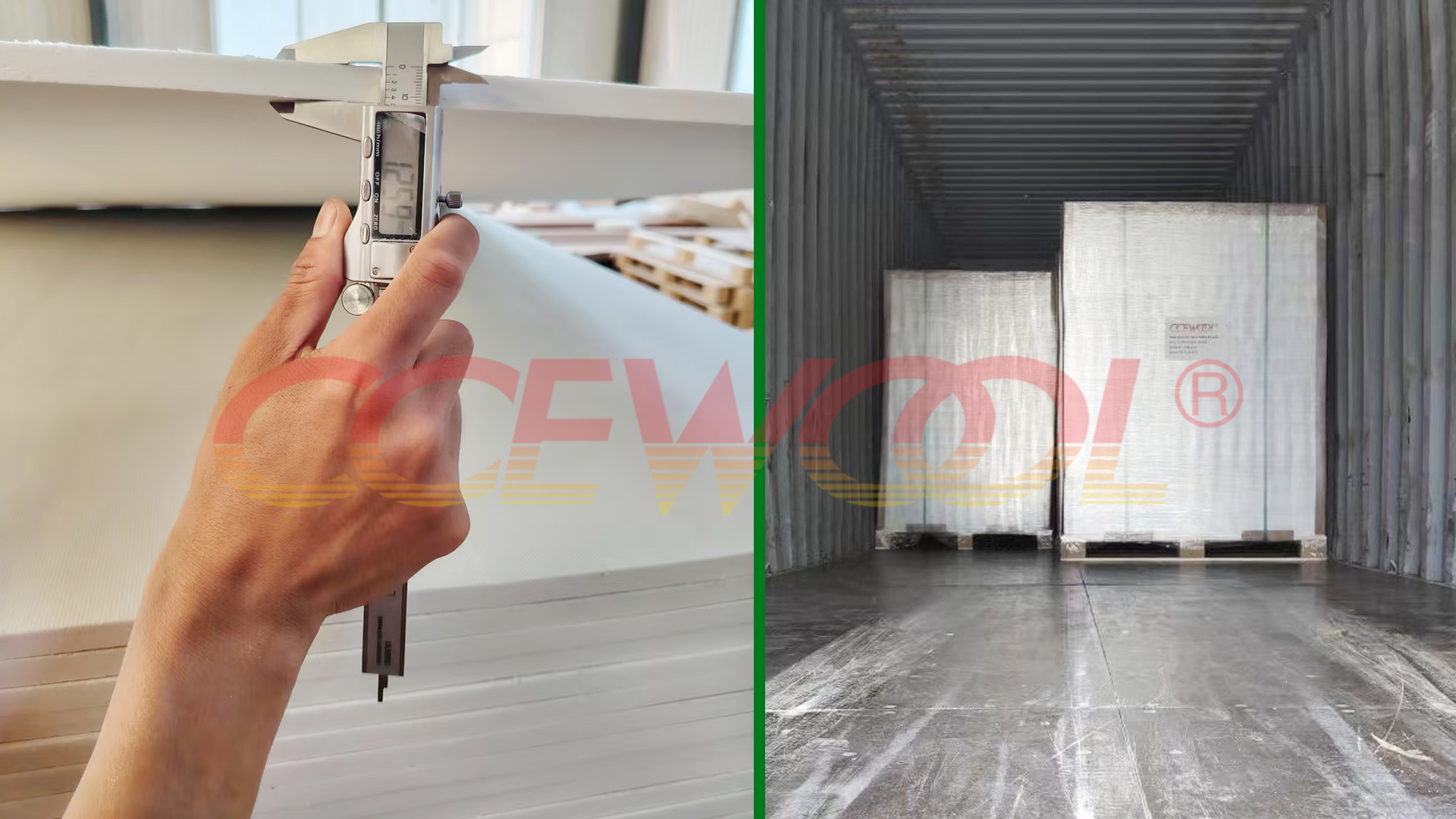
Product Size: 12.5×1020×1220mm
A U.S.-based manufacturer of high-end laboratory oven equipment has been sourcing CCEWOOL® Non RCF board continuously since 2021. The boards are primarily used as hot face linings for oven chambers and heating zones.
Customer feedback:
"CCEWOOL® Non RCF board is by far the most suitable hot face insulation material we've used. It's safe, environmentally friendly, and offers stable performance with easy processing. It has helped us significantly improve our product competitiveness in the U.S. and European markets."


