
Which fibre is a very good insulator?
- 26 Aug, 2024
- Industry
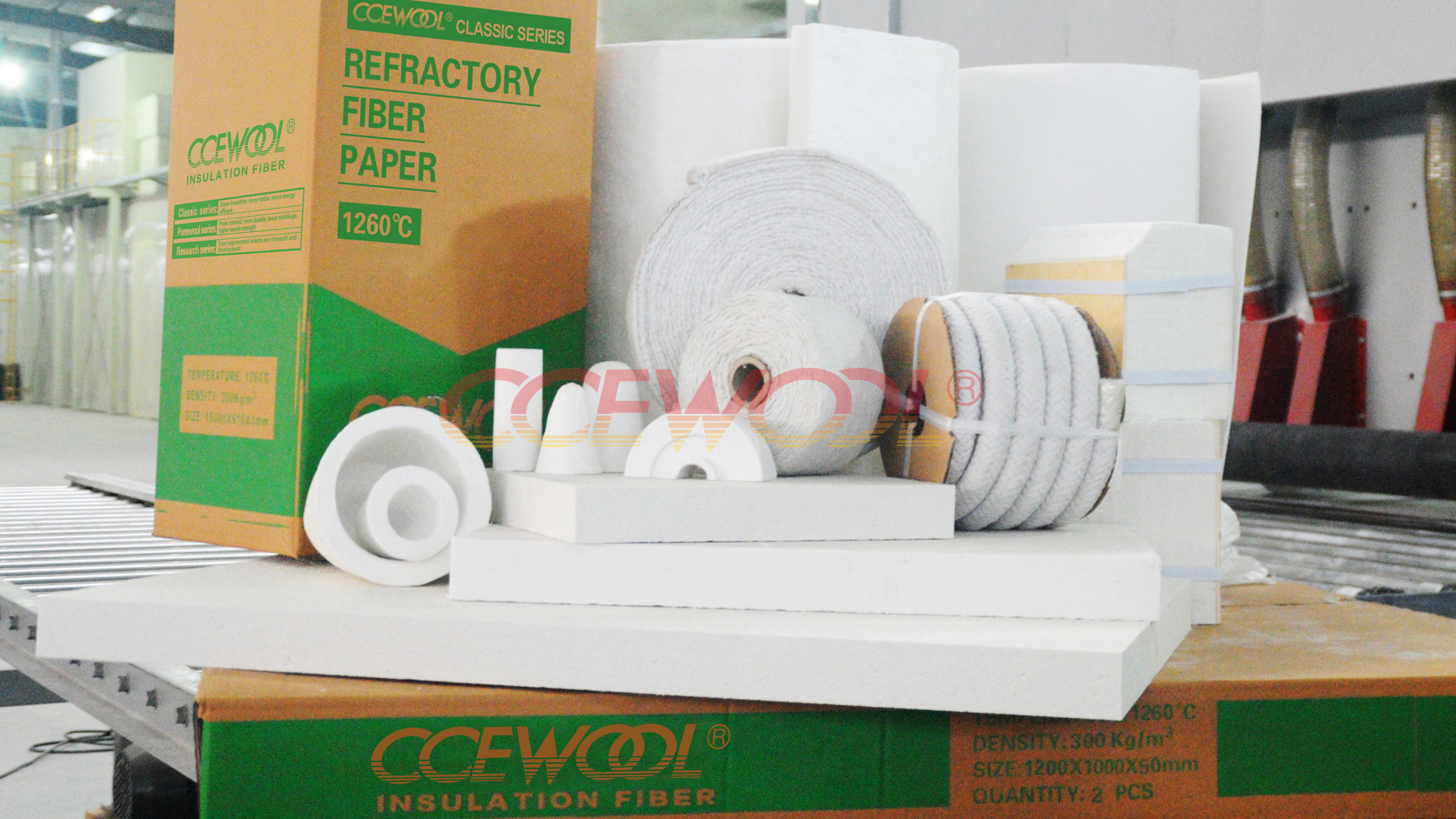
In modern industrial applications, the choice of insulation material is crucial as it directly impacts the efficiency and safety of equipment. Among the many insulation materials available, ceramic fiber stands out for its exceptional properties, making it widely recognized as an excellent insulator.
Outstanding Properties of Ceramic Fiber
Ceramic fiber is a fibrous material made from high-purity alumina and silica, produced through high-temperature melting and spinning. Its most notable characteristic is its excellent high-temperature resistance, capable of withstanding extreme temperatures of up to 1400°C. This makes it an indispensable insulation material in high-temperature industrial applications.
Ceramic fiber not only maintains stable structure and superior insulation performance under high temperatures but also offers the following significant advantages:
Extremely Low Thermal Conductivity: Ceramic fiber has very low thermal conductivity, which means it effectively reduces heat transfer, thereby maximizing the temperature stability of the equipment. This is particularly important in applications that require sustained high temperatures or need to prevent heat loss.
Lightweight and Efficient: Compared to traditional refractory bricks and other materials, ceramic fiber has a lower density, providing the same insulation effect while significantly reducing the weight of the equipment. This feature is especially favored in applications where weight is a critical factor, such as in aerospace and shipbuilding.
Chemical Corrosion Resistance: Ceramic fiber has excellent resistance to chemical corrosion, allowing it to be used for extended periods in environments with acids, alkalis, and other corrosive substances. This makes it particularly effective in high-temperature environments within industries such as chemical processing and metallurgy.
Ease of Processing: Ceramic fiber is soft and easy to process, allowing it to be cut into various shapes and sizes to fit different equipment structures and usage environments. Whether used for thermal insulation filling or fabricated into fiber paper, boards, or gaskets, ceramic fiber can perfectly meet industrial demands.
Wide Applications of Ceramic Fiber
Thanks to its superior insulation performance and versatility, ceramic fiber is widely used across various industries. For example, in the metallurgy industry, ceramic fiber is extensively used as lining for high-temperature furnaces to reduce heat loss and improve energy efficiency. In the petrochemical industry, it is employed for insulating pipelines and equipment to ensure process stability and safety. In the construction industry, ceramic fiber serves as a fireproof material, providing reliable fire and heat insulation barriers.
Moreover, ceramic fiber shows strong application potential in household appliances, automotive manufacturing, and electronic devices.
As an excellent insulator, ceramic fiber, with its superior high-temperature resistance, low thermal conductivity, lightweight efficiency, and chemical corrosion resistance, has become an indispensable insulation material in modern industry. Whether used for high-temperature furnace linings, pipeline insulation, or fireproofing, ceramic fiber offers outstanding protection and efficient energy utilization, making it the ideal insulation choice for high-temperature environments.


