
Is superwool blanket better than ceramic fiber?
- 09 Jul, 2025
- Industry
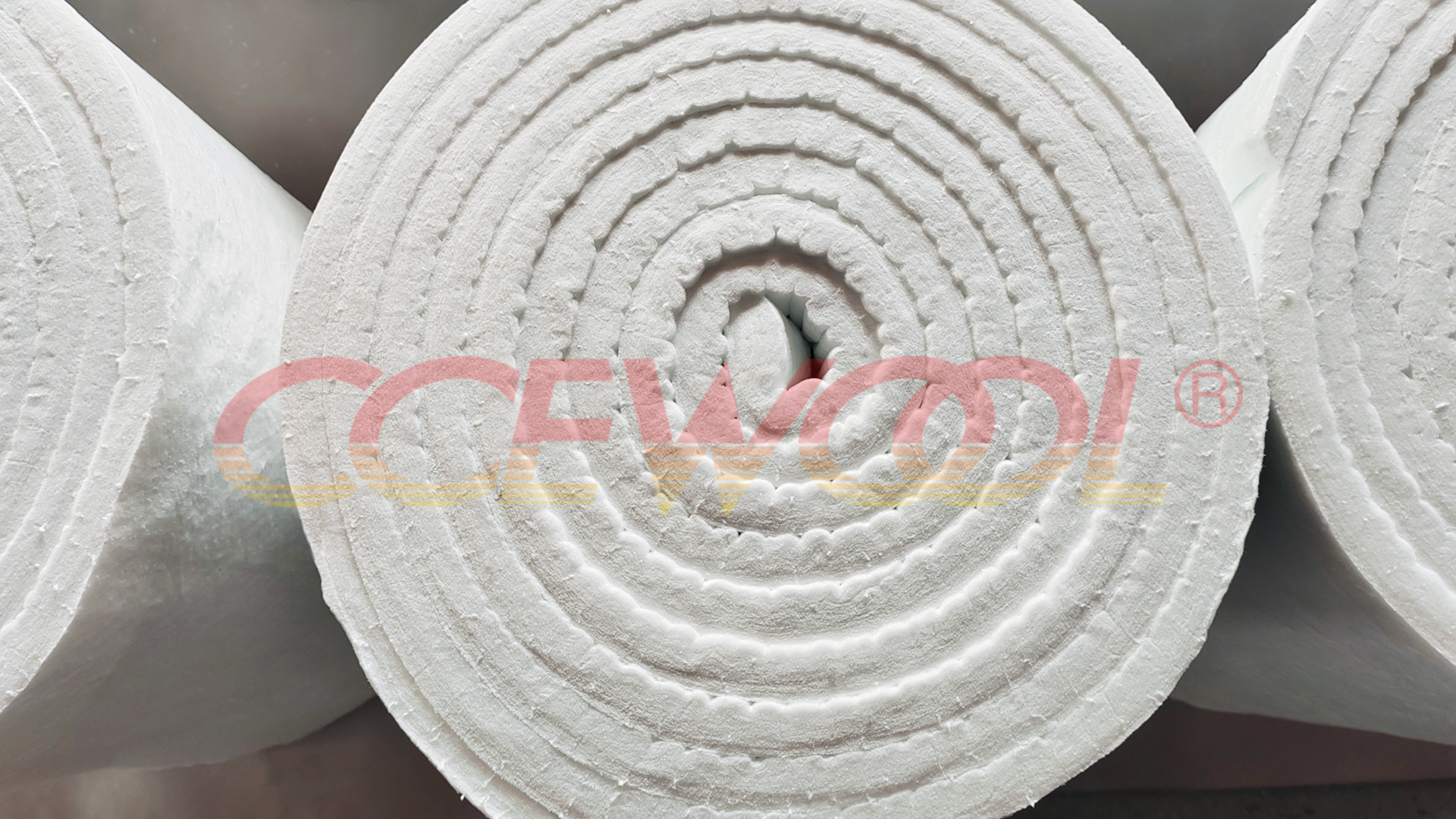
Superwool blanket is emerging as a more eco‑friendly and safer alternative to traditional ceramic fiber blankets, now widely used in metallurgy, petrochemical, power, and heat‑treatment industries. But is the Superwool blanket truly superior to traditional options? Below is a detailed comparison of performance, environmental safety, and application scenarios—all centered around the keyword "superwool blanket."
More Environmentally Friendly: Low Biopersistent Fiber, Compliant with EU Regulations
The superwool blanket uses low biopersistent (LBP) fiber technology, unlike conventional ceramic fiber blankets, it poses no long‑term health risks and is suitable for high‑safety industries such as food, pharmaceuticals, and household appliances.
Safer to Handle: Low Dust, Non‑Irritating
Thanks to its soft yet durable fiber structure, the superwool blanket resists breakage and fiber shedding. During installation, almost no dust is released—dramatically reducing respiratory and skin irritation risks for installers—while still enduring continuous operating temperatures up to 1200 °C.
Easier to Fabricate: Flexible and Precisely Cut
With its uniform structure and excellent flexibility, the superwool blanket can be cleanly and easily cut in any direction. It adapts well to complex geometries and irregular equipment surfaces, making it perfect for customized applications such as sealing gaskets and furnace door linings.
Typical Applications
Thermal insulation linings for industrial kilns and furnaces;
Sealing and insulation in heat‑treatment equipment;
Thermal barriers for high‑temperature equipment like flues and electric furnaces;
High‑temperature insulation protection in electrical systems;
Insulated layers for household fireplaces and ovens.
If your industry prioritizes strict environmental standards, safe handling, and consistent insulation performance, the CCEWOOL® superwool blanket is clearly the superior choice. It retains the high thermal insulation of traditional ceramic fiber blankets while significantly enhancing eco‑credentials and user‑friendliness.


