
Is ceramic fiber a good insulator?
- 12 Aug, 2024
- Industry
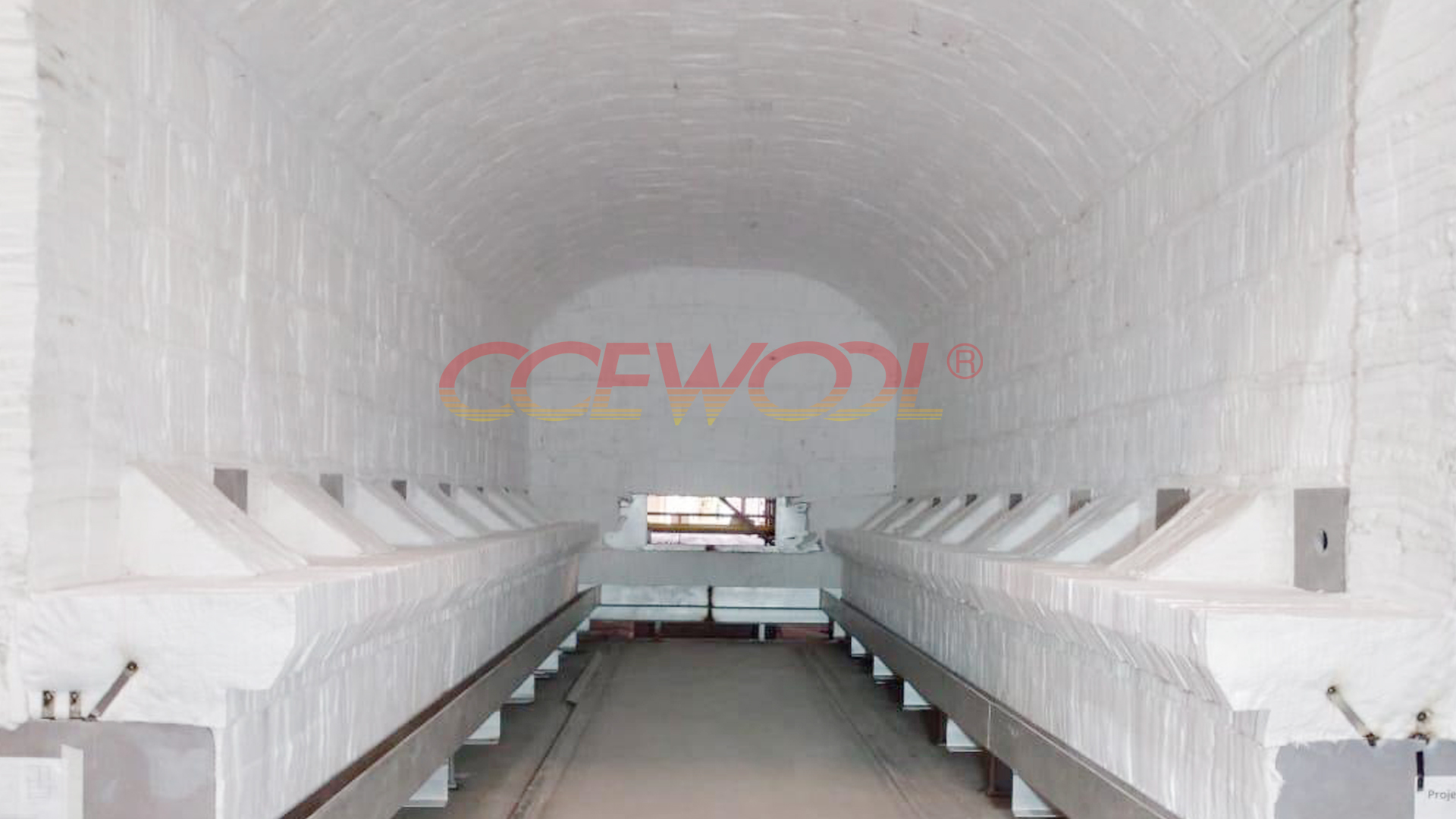
In modern industrial and construction applications, choosing the right insulation material is crucial. Ceramic fiber, with its excellent performance and wide applicability, has become the preferred choice for many industries. So, is ceramic fiber truly an excellent insulator? This article will explore the advantages of ceramic fiber and its applications in the insulation field.
Ceramic fiber is a fibrous material made from high-purity alumina-silicate or alumina-magnesia, processed through special manufacturing techniques to exhibit properties such as light weight, high strength, and high-temperature resistance. Common ceramic fiber products include fiber blankets, fiber boards, fiber paper, and fiber modules.
Insulation Performance of Ceramic Fiber
Excellent High-Temperature Resistance
Ceramic fiber can maintain its structure and performance stability in high-temperature environments, with a typical temperature range of 1000℃ to 1600℃. Compared to traditional insulation materials, ceramic fiber does not deform or melt easily at high temperatures, ensuring long-lasting insulation effectiveness.
Low Thermal Conductivity
Ceramic fiber has an extremely low thermal conductivity, meaning it effectively prevents heat conduction, providing excellent thermal insulation. In high-temperature industrial equipment and building insulation, using ceramic fiber can significantly reduce energy loss and improve energy efficiency.
Superior Thermal Stability
Ceramic fiber demonstrates excellent thermal stability during rapid heating and cooling cycles, without cracking or breaking due to sudden temperature changes. This makes it particularly suitable for insulating high-temperature kilns, heaters, and other high-temperature equipment.
Applications
Ceramic fiber, with its outstanding insulation properties, has been widely used in various industries:
Industrial Furnaces: Used for linings and insulation layers, effectively improving the thermal efficiency of furnaces and reducing energy consumption.
Building Insulation: Used as insulation material for walls and roofs in high-rise buildings and large public facilities, providing a comfortable indoor environment.
Petrochemical Industry: Used for insulating high-temperature pipelines and reactors, ensuring safety and stability in production processes.
Power Equipment: Used as insulation material in power transformers and electric motors, enhancing the safety and reliability of the equipment.
Ceramic fiber is undoubtedly an exceptional insulation material. Its high-temperature stability, low thermal conductivity, and superior thermal stability make it highly favored in various fields. Choosing ceramic fiber as an insulation material not only improves the energy efficiency of equipment and buildings but also effectively extends their service life. Whether in industrial applications or daily life, ceramic fiber showcases irreplaceable advantages, making it the ideal choice for achieving efficient insulation.


