
How long does ceramic bulk last?
- 18 Jun, 2025
- Industry
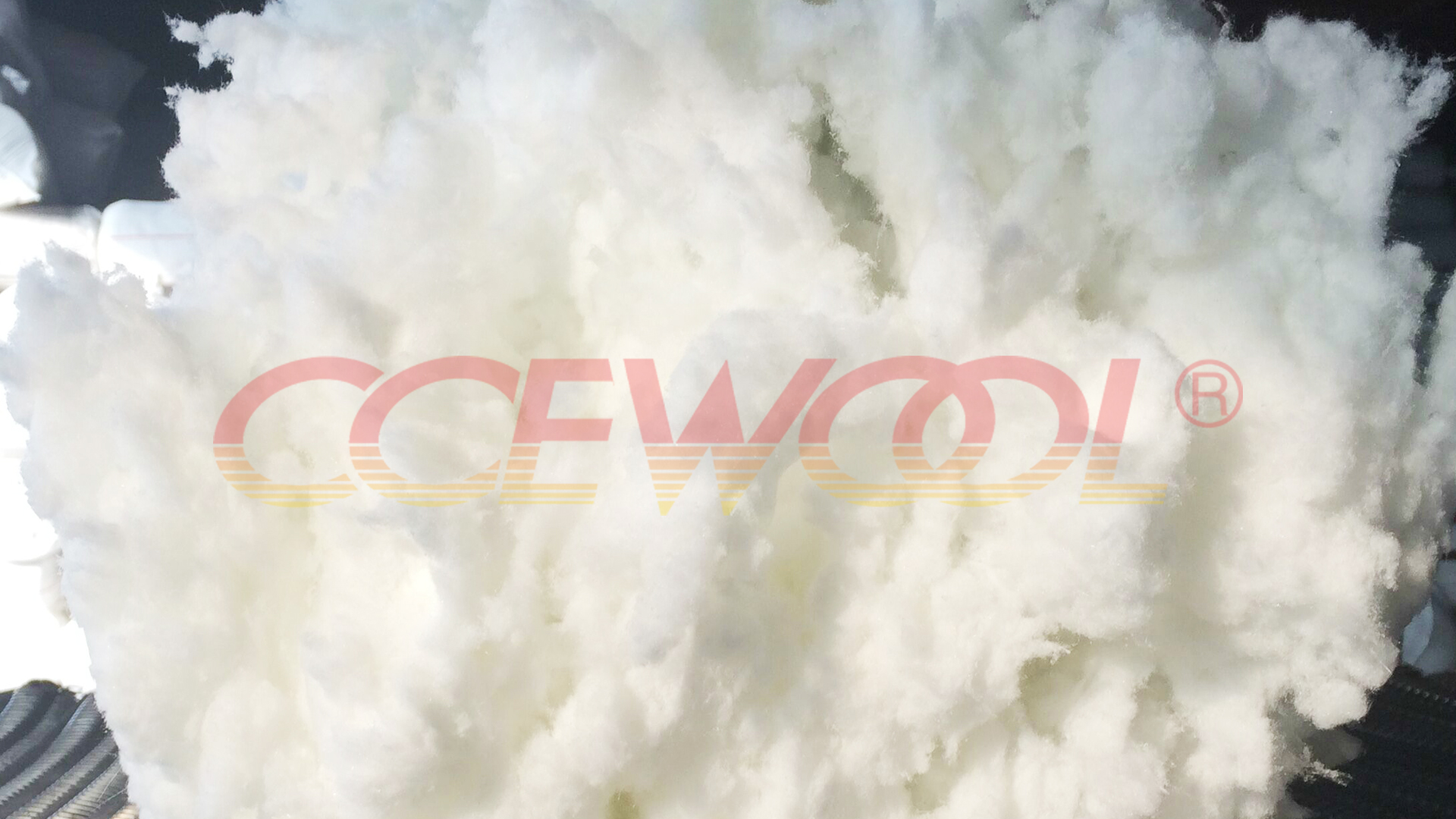
In high-temperature industrial applications, the service life of insulation materials directly impacts equipment stability, maintenance costs, and overall energy efficiency. As a flexible, high-temperature-resistant insulation filler, ceramic bulk is widely used in furnace gap filling, insulation repair, and the forming of prefabricated components due to its excellent thermal properties and moldability. But how long does ceramic bulk actually last? What factors affect its durability? CCEWOOL® has the answers.
What is Ceramic Bulk?
Ceramic bulk refers to loose ceramic fibers made from high-purity alumina and silica through spinning or blowing processes. These fibers are long, fluffy, and soft, offering excellent thermal stability and thermal shock resistance. Ceramic bulk is widely used for furnace sealing, irregular space filling, and as base material for high-temperature molding.
How Long Does Ceramic Bulk Last?
High-quality ceramic bulk generally lasts 5 to 8 years, and in some sealing and filling applications, it can last over 10 years. Its longevity stems from several key properties:
High-Temperature Resistance: With a temperature rating of 1260°C to 1430°C, it maintains its integrity and doesn’t powder or collapse under prolonged heat.
Excellent Thermal Shock Resistance: Remains intact during frequent heating and cooling cycles.
Superior Chemical Stability: Resistant to acids, alkalis, and oxidation, suitable for harsh atmospheres.
Maintainability: Easy to install and replace, allowing partial repairs to extend system life.
How to Extend the Life of Ceramic Bulk?
Choose a Trusted Manufacturer
CCEWOOL® ceramic bulk is made from high-purity raw materials, precisely processed for consistent fiber distribution and minimal impurities.
Proper Installation and Compaction
Adequate filling and compaction reduce voids and thermal bridges, improving insulation efficiency.
Regular Inspection and Maintenance
Periodic checks and timely repairs help maintain insulation integrity and prolong its service life.
CCEWOOL® Ceramic bulk is not a disposable material—it's a long-lasting, high-stability thermal insulation solution. With the right product, proper installation, and routine maintenance, ceramic bulk ensures years of efficient equipment operation, helping businesses cut costs and save energy.


