
How does ceramic insulation work?
- 18 Sep, 2024
- Industry
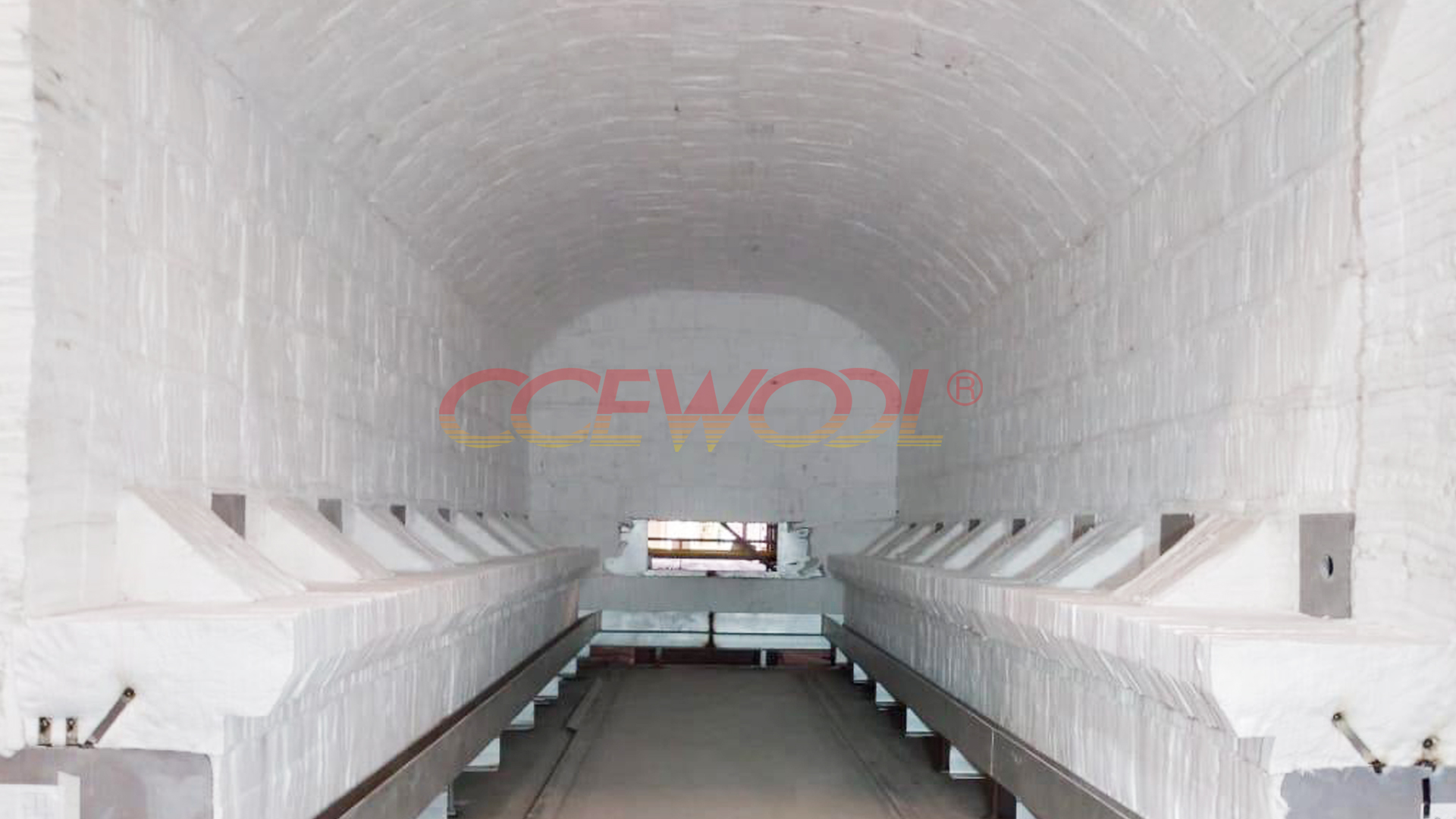
Ceramic insulation fiber is a highly efficient insulating material that is widely used in industrial and high-temperature environments due to its excellent insulation properties. Made primarily from high-purity aluminosilicate fibers, it has extremely low thermal conductivity and excellent thermal shock resistance, effectively blocking heat conduction and protecting equipment and environments from high temperatures.
Working Principle of Ceramic Insulation Fiber
The insulation effect of ceramic fiber comes from its unique microstructure. This material consists of numerous fine, uniform fibers intertwined to form countless tiny air pockets. These air pockets act as barriers to heat conduction at high temperatures, significantly slowing down the flow of heat. Additionally, ceramic fiber has a low heat capacity, allowing it to maintain stable insulation performance even in high-temperature environments, reducing energy loss.
Superior High-Temperature Performance
Ceramic insulation fiber boasts exceptional heat resistance, capable of withstanding temperatures ranging from 1000°C to 1600°C. It is commonly used in high-temperature applications such as industrial furnaces, kiln linings, power equipment, and petrochemical installations. Not only does it effectively isolate heat sources, but it also improves the thermal efficiency of equipment and extends its service life.
Safe and Environmentally Friendly
In addition to its outstanding insulation properties, ceramic insulation fiber is resistant to corrosion, aging, and is non-toxic and harmless. During use, it does not emit harmful gases or release dust that could harm human health, meeting modern industry’s requirements for environmental protection and safety. Many ceramic insulation fibers have also passed strict environmental certifications, making them ideal materials for energy-saving and emission-reduction projects.
Easy Installation, Energy Efficient
Ceramic insulation fiber is lightweight and flexible, making it easy to cut and process according to specific needs, which facilitates installation and construction. Compared to traditional insulation materials, ceramic fiber offers superior energy efficiency, reducing energy consumption and operating costs, making it a preferred choice for high-efficiency insulation in industrial settings.
Wide Range of Applications
Thanks to its excellent thermal properties, ceramic insulation fiber is widely used in industries such as steel, metallurgy, petrochemical, power, glass, and ceramics manufacturing. Whether used as furnace lining material or as an insulation layer for pipes and containers, ceramic fiber excels in providing insulation in high-temperature operations.
In summary, ceramic insulation fiber, with its unique structure and superior thermal performance, has become an indispensable material in modern industrial high-temperature insulation. It not only enhances the thermal efficiency of equipment but also provides strong support for production safety, energy saving, and environmental protection.


