
What is the advantage of ceramic fibers?
- 26 Jun, 2024
- Industry
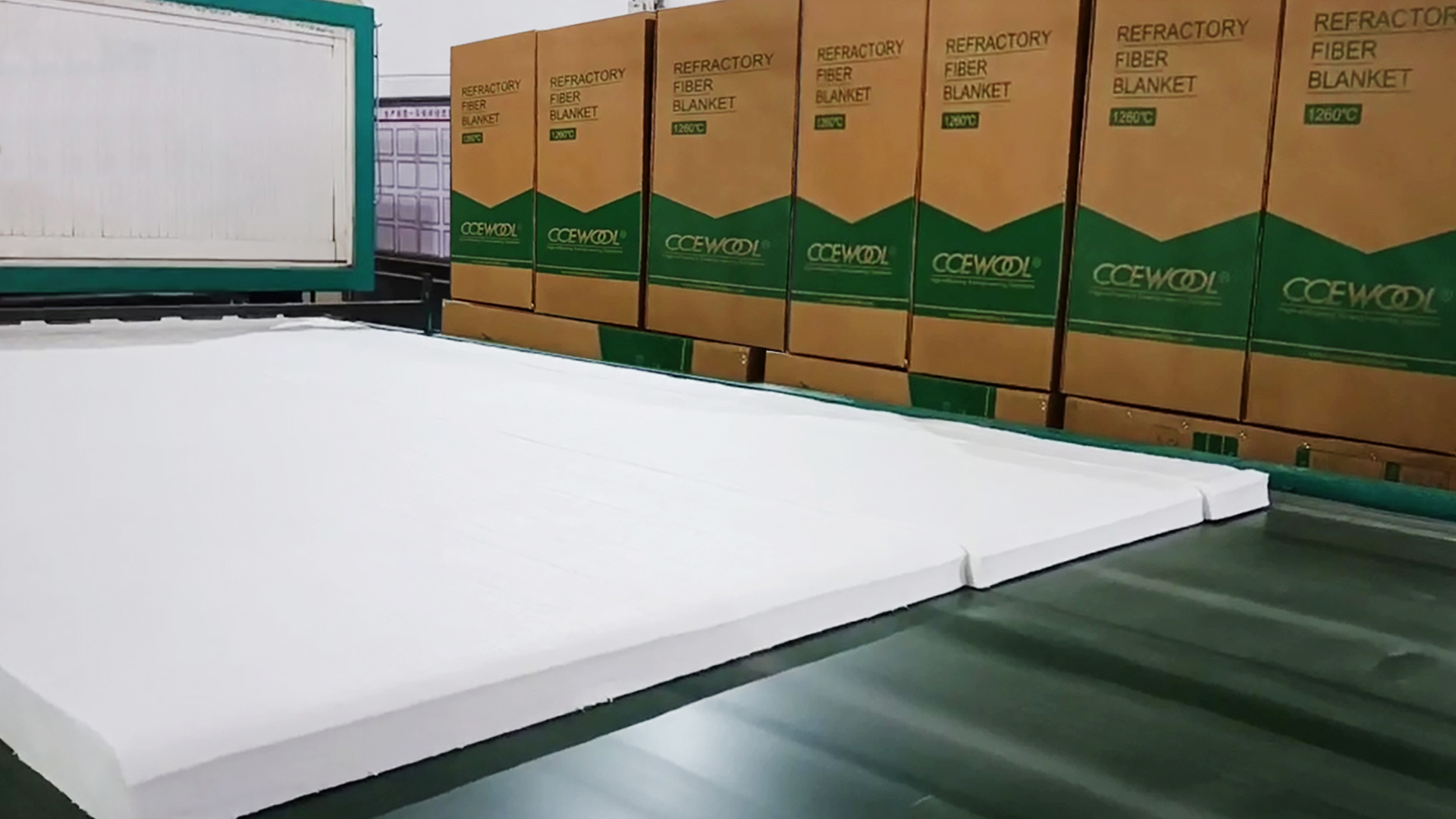
As a new type of high-efficiency insulation material, ceramic fiber has gained widespread application in the industrial and construction sectors in recent years. Not only does it excel in high-temperature resistance and thermal insulation, but it also boasts many other significant advantages. This article will provide a detailed introduction to the numerous benefits of ceramic fiber, showcasing its immense potential and unique value in various applications.
Excellent High-Temperature Resistance
Ceramic fiber can withstand temperatures exceeding 1000°C, maintaining stable physical and chemical properties in high-temperature environments for extended periods. This makes it an ideal insulation material for high-temperature industrial furnaces, metallurgical equipment, and heat treatment devices. Additionally, it is suitable for insulating high-temperature pipelines and exhaust systems, helping equipment operate efficiently and extending its service life.
Superior Insulation Effect
The thermal conductivity of ceramic fiber is extremely low, typically ranging from 0.03 W/m·K to 0.06 W/m·K, much lower than traditional refractory materials. This low thermal conductivity effectively prevents heat transfer, providing excellent insulation and significantly reducing energy loss. Whether in high-temperature or low-temperature applications, ceramic fiber can maintain a stable temperature environment, improving energy efficiency.
Lightweight and Easy to Install
Compared to traditional refractory bricks and castables, ceramic fiber is much lighter, with a density usually ranging from 128kg/m³ to 160kg/m³. This greatly reduces transportation and installation costs, making construction simpler and more efficient. Additionally, ceramic fiber materials can be cut into various shapes and sizes to meet different installation requirements.
Excellent Thermal Shock Stability
Ceramic fiber has outstanding thermal shock stability, maintaining its structural integrity and stable performance even under frequent temperature changes. It is not prone to cracking or deforming due to sudden temperature fluctuations, ensuring long-term durability. This characteristic makes ceramic fiber particularly suitable for industrial applications requiring frequent heating and cooling.
Environmentally Friendly
Made from inorganic materials, ceramic fiber contains no harmful substances and does not release toxic gases during use, posing no threat to the environment or human health. Its production process and lifespan meet the high standards for green and sustainable practices in modern industry, making it an eco-friendly insulation material.
Strong Chemical Stability
Ceramic fiber demonstrates good chemical stability in both acidic and alkaline environments, making it resistant to corrosion. This makes it widely used in the chemical and metallurgical industries, where exposure to corrosive substances is common, ensuring the material's durability and reliability in harsh environments.
Wide Range of Applications
Due to its excellent performance, ceramic fiber is widely used in metallurgy, chemical engineering, electronics, power generation, aerospace, and construction. Whether as lining for industrial furnaces, insulation layers for pipelines, or insulation materials for building walls, ceramic fiber provides reliable insulation and thermal protection, leveraging its unique advantages.
High Cost-Effectiveness
Despite a relatively high initial cost, ceramic fiber has a long service life, low maintenance costs, and can effectively save energy, reducing long-term operational costs. Considering all factors, ceramic fiber demonstrates good cost-effectiveness in many applications, making it a practical and economical choice for insulation materials.
With its excellent high-temperature resistance, superior insulation effect, lightweight and easy installation, outstanding thermal shock stability, environmentally friendly properties, strong chemical stability, and wide application range, ceramic fiber has become an indispensable material in modern industry and construction. As technology advances and its applications expand, ceramic fiber will continue to play a more significant role, providing solid support for energy conservation, environmental protection, and efficient operation across various industries.


